Launching a raw, loaded pizza off a peel onto a screaming-hot surface is the most stressful part of making pizza at home. One bad stick and your carefully stretched pie folds into a calzone. Toppings everywhere. Great.
Parchment paper solves that problem completely - and that is exactly why it is worth talking about honestly. It is a genuinely useful tool, but it also has real downsides that most guides gloss over. This is the full picture.
What Parchment Paper Actually Does for You
When you build your pizza on a sheet of parchment paper, you sidestep the entire peel launch problem. The paper slides off the peel cleanly, the dough never touches the bare peel surface, and you can take your time building the pizza without the clock ticking on whether the dough is going to weld itself to the wood.
There are a few specific situations where parchment paper genuinely earns its place:
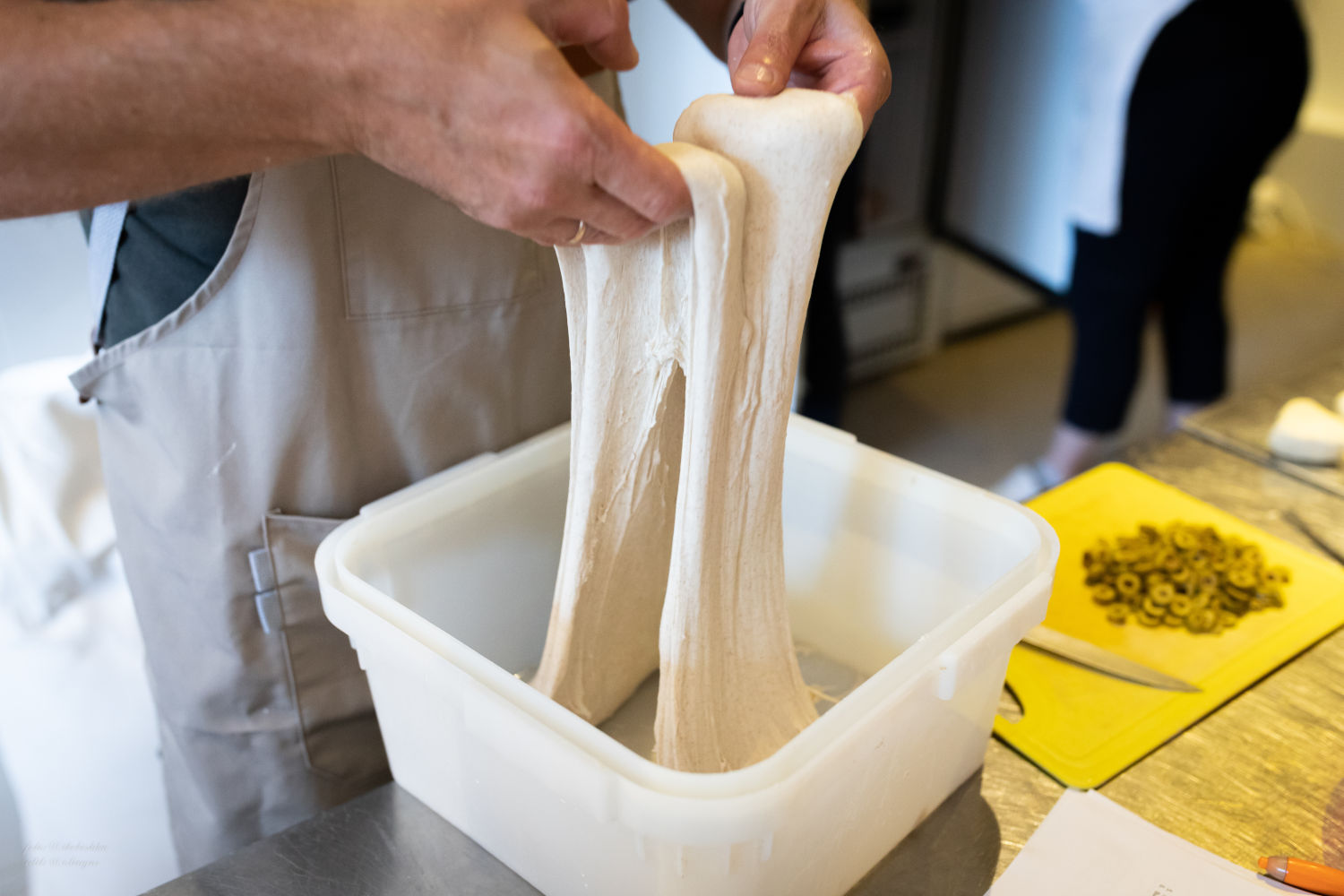
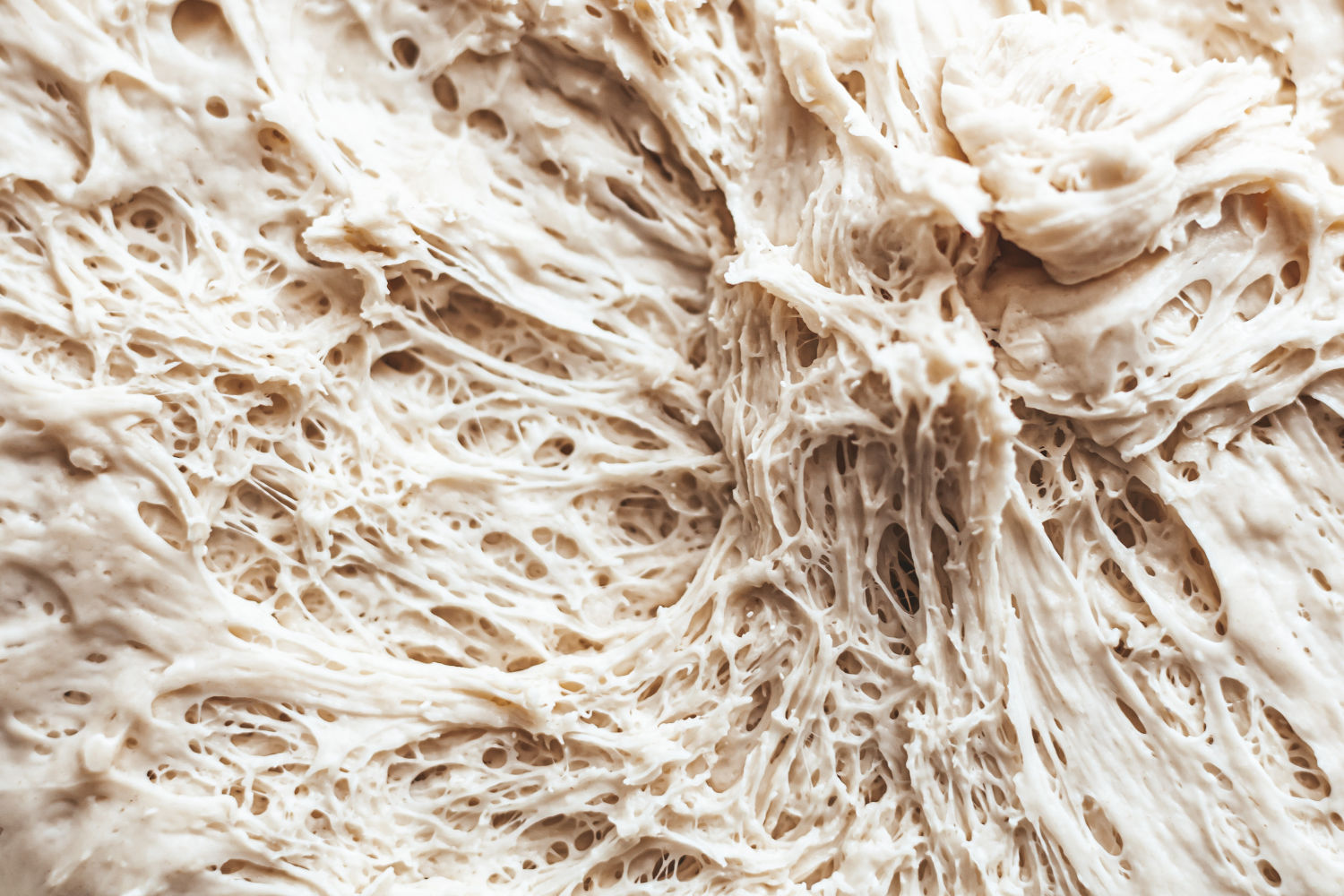
High-hydration doughs. Once you push past 70% hydration, dough becomes sticky and delicate. Even a well-floured peel becomes unreliable. If you are working with high-hydration pizza dough, building on parchment is one of the cleaner solutions.
Pre-ferment doughs. Doughs built on biga or poolish are often more delicate and open than a standard same-day dough. The extra fermentation creates a lighter, more extensible structure - but also one that is a little less forgiving on the peel.
Prepping multiple pizzas in advance. This is an underrated use case. If you are hosting and want to fire pizzas back-to-back without a long gap between them, you can build all your pies on individual sheets of parchment ahead of time. Stack them loosely in the fridge or leave them at room temp for a short window, then slide them into the oven one after another without re-flouring the peel each time. It turns a somewhat chaotic pizza night into something that actually flows.
Keeping your oven clean. Semolina on the peel is the traditional launch method, and it works great - but excess semolina falls onto your stone and burns. Over time that carbonizes and builds up. Parchment eliminates that entirely.
The Real Downsides
Here is the thing nobody tells you: using parchment paper as a crutch can quietly hold your pizza-making back.
The launch is a skill worth developing. Getting comfortable with a well-floured peel - building fast, checking for sticking, and executing a confident slide - gives you the best overall result and removes any barrier between your dough and the high-heat surface needed to really knock it out of the park. Parchment paper removes the pressure of the launch, which sounds like a plus, but pressure is also what forces you to get better. If you are reaching for the parchment every single time because the peel intimidates you, consider making yourself practice the traditional launch at least occasionally. It is not as hard as it seems once the motion becomes familiar.
It is not a cure for poor prep. Parchment paper does not fix dough that was not properly proofed, improperly stretched, or loaded with too many wet toppings. If your crust ends up soggy, parchment probably contributed to that - it does not make your dough worse, but it creates the conditions for moisture to get trapped.
It limits your ceiling. The parchment method only works in a standard home oven. The techniques that produce truly exceptional pizza at home - like launching directly onto a fully preheated pizza steel or stone - are the ones that reward cleaner execution. If your end goal is the best possible pizza, parchment paper is a stepping stone, not a destination.
The Temperature Problem: What Actually Happens at 500 Degrees
Most parchment paper boxes list a maximum temperature rating somewhere between 420 and 450 degrees. Good home pizza temperatures are 500 to 550 degrees. So what gives?
You can use parchment paper to bake pizza at 500 degrees and above - it just behaves differently. The exposed edges of the paper will darken and become brittle. You may see a small amount of smoke. In a standard home oven, it will not catch fire as long as the paper is not touching a bare heating element.
The way to handle this is simple: trim the parchment close to the edge of your dough before you launch. Excess paper flapping around in a hot oven is both a fire risk and a smoke source. Cut it down to roughly the shape of the pizza and you dramatically reduce both problems.
What you absolutely cannot do: use parchment paper in an outdoor pizza oven like an Ooni or Gozney, or when cooking pizza on a grill. The flame exposure in these environments will ignite the paper immediately. No exceptions.
How to Use Parchment Paper for Pizza Stone and Steel Baking
If you leave parchment paper under the pizza for the entire bake, you will get a cooked pizza - but the bottom will be pale, soft, and a little steamed. The paper creates a barrier between the crust and the hot surface, trapping moisture instead of letting it flash off. That is not what you want.
The fix is the mid-bake pull. Here is how it works:
-
Preheat your surface properly. Your pizza stone or steel needs at least 45 minutes to an hour at your oven's maximum temperature. Do not skip this step - a cold surface is the main reason home pizzas come out with flabby bottoms, parchment or not.
-
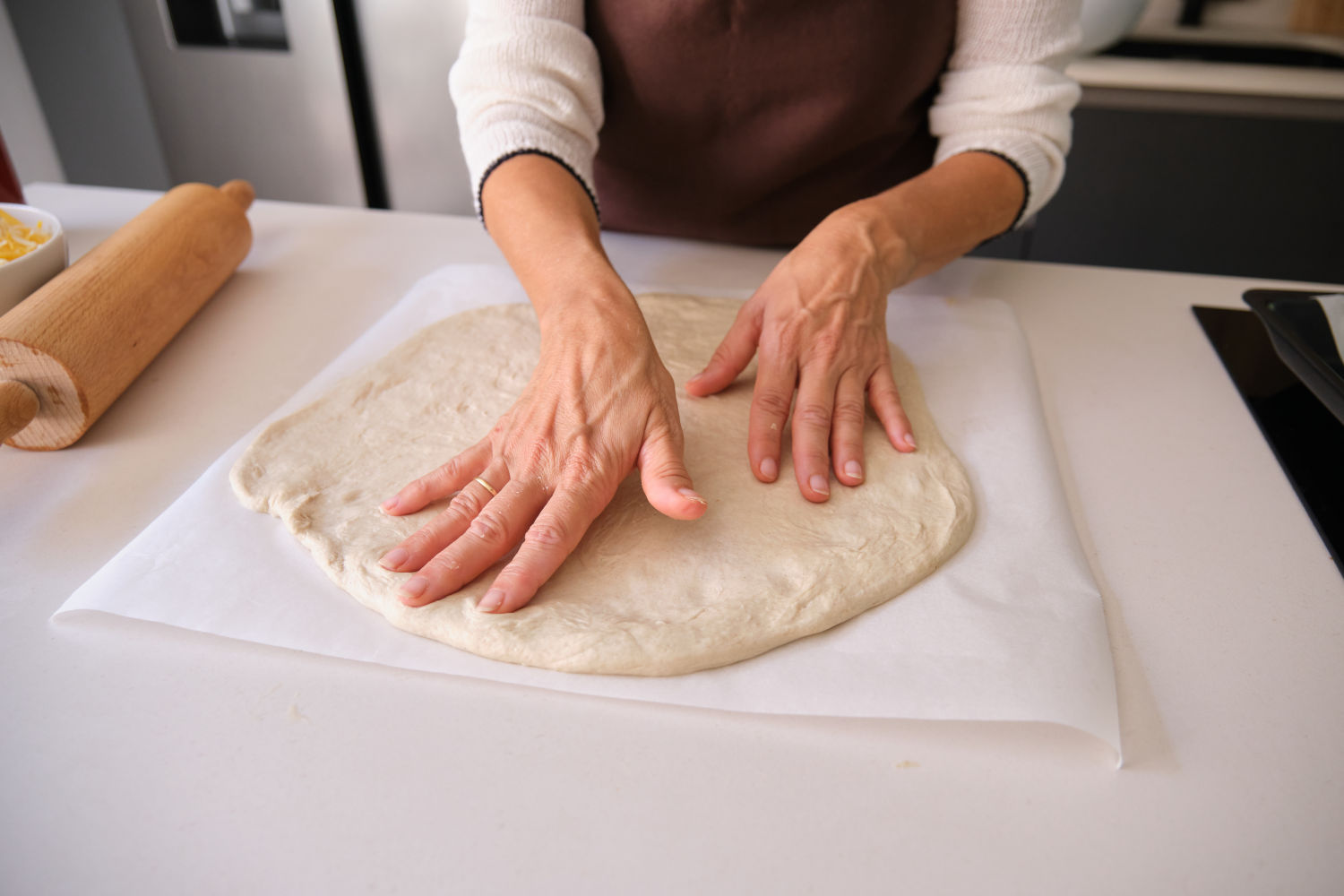
Cut the parchment to size. Tear off a piece slightly larger than your dough, then trim the corners after you stretch the dough onto it. You want minimal exposed paper around the edges.
-
Build your pizza on the paper. Stretch the dough onto the parchment, add sauce, cheese, and toppings. Because you are not racing the clock, you can take your time here.
-
Launch the whole thing. Slide your peel under the parchment-and-pizza combo and transfer it directly onto the hot stone or steel, paper and all.
-
Pull the paper at the 2-3 minute mark. This is the key move. After two to three minutes, the dough has set enough that it will no longer stick to the surface. Open the oven, grab a sturdy exposed edge of the parchment (it will be dry and brittle at this point, so get a good grip), and pull it out from under the pizza in one smooth motion. The pizza stays behind on the stone.
-
Finish the bake directly on the surface. Without the paper acting as a moisture trap, the bottom of the crust can now get direct contact heat and properly crisp up.
This is also the exact same technique used when par-baking pizza crusts - parchment for the initial load, then direct surface contact once the dough has enough structure to hold itself together.
Parchment Paper vs. Wax Paper: Do Not Mix These Up
They look almost identical in the drawer, but they are completely different products.
Parchment paper has a food-safe silicone coating that makes it heat-resistant and non-stick. Wax paper is coated with actual paraffin wax. Put wax paper in a 500 degree oven and the wax melts immediately into whatever it is touching, ruins your crust, and fills the kitchen with unpleasant smoke. If you run out of parchment, reach for a well-floured peel or a sheet of aluminum foil before you reach for the wax paper.
The Best Parchment Paper for Pizza
Not all parchment paper is the same. If you are baking at high temperatures regularly, look for unbleached parchment with a higher heat tolerance - some brands are rated to 450 degrees and hold up noticeably better at 500 degrees than cheaper options. Pre-cut sheets are slightly easier to work with than tearing from a roll if you are building multiple pizzas, but either works fine. Avoid non-stick coated pans lined with parchment - for pizza on a stone or steel, you want the paper directly on the preheated surface, not insulated by a pan underneath it.
Should You Use It?
Parchment paper is a legitimate tool, not a cheat code. Use it when it actually solves a problem: high-hydration doughs, thin crusts you cannot transfer cleanly, or a pizza night where you want to prep everything in advance and just fire one after another.
But if the only reason you are using it is because launching off the peel makes you nervous - practice the launch instead. Flour the peel well, shake the dough to check for sticking before you build, and build the pizza quickly. A few deliberate practice runs and the peel launch stops being intimidating. And a pizza that goes directly from peel to a fully preheated steel is going to beat a parchment-baked pizza on crust quality pretty much every time.
Keep a roll of parchment in the drawer. Just do not let it become the only tool you reach for.