Ricotta belongs on pizza far more often than it shows up. It is one of those ingredients that sounds simple until you actually try it, realize the results are watery and flat, and give up - which is a shame, because done right it produces something genuinely special. Creamy, rich, and mild enough to work with almost anything, ricotta can anchor an entire pizza concept or just show up as a finishing touch. Either way, there are a few things worth knowing before you start.
This guide covers everything: how to pick the right ricotta, how to prep and season it, when to add it (before or after baking matters more than you might think), and a breakdown of the best combinations worth trying. Whether you are building a classic recipe for white pizza with ricotta cheese or just want to know what to do with the half-tub sitting in your fridge, keep reading.
Start Here: Choosing the Right Ricotta
Not all ricotta behaves the same in the oven, and the difference matters.
Whole milk ricotta is what you want for pizza. It has higher fat content, which means it holds its shape better under heat, browns slightly around the edges, and tastes richer. Part-skim ricotta tends to release more water and can turn grainy when baked.
If you can find fresh ricotta from an Italian deli or specialty shop, it is worth it at least once. Fresh ricotta has a cleaner, sweeter flavor and a creamier texture than the shelf-stable tub stuff. That said, good supermarket whole milk ricotta (Calabro and BelGioioso are solid options) works perfectly fine for everyday pizza making.
Avoid "low-fat" or "fat-free" ricotta entirely. It has almost no flavor and turns into a watery puddle in a hot oven.
The Prep Step Most People Skip
Here is why so many ricotta pizzas turn out soggy: commercial ricotta is packed with water, and when that water hits a 500°F oven, it has nowhere to go except into your crust.
The fix is draining it.
Set a fine mesh strainer over a bowl, line it with a few layers of cheesecloth or even just paper towels, and spoon your ricotta in. Let it drain in the fridge for at least an hour. If you have more time - overnight works great - your ricotta will be noticeably thicker and easier to work with. You might be surprised how much liquid comes out.
Once it is drained, do not leave it unseasoned. Plain ricotta is bland. A well-seasoned one is the difference between a topping that disappears into the background and one that actually contributes something.
Basic seasoning (good for most applications):
- Salt and freshly cracked black pepper
- A small drizzle of good olive oil
- A clove of garlic, grated or finely minced
A step further:
- Lemon zest - this is underrated and brightens the whole cheese without making it taste "lemony"
- Grated Parmigiano-Reggiano or Pecorino Romano
- Fresh thyme or oregano
- A pinch of red pepper flakes
Whip it briefly with a fork until it loosens up slightly. You want it dollop-able, not pourable.
Before or After the Oven? This Question Actually Matters
This is the most useful thing you will read in any pizza recipe with ricotta cheese, and almost no one talks about it.
Ricotta can go on before baking or after. Both approaches are valid - but they produce completely different results.
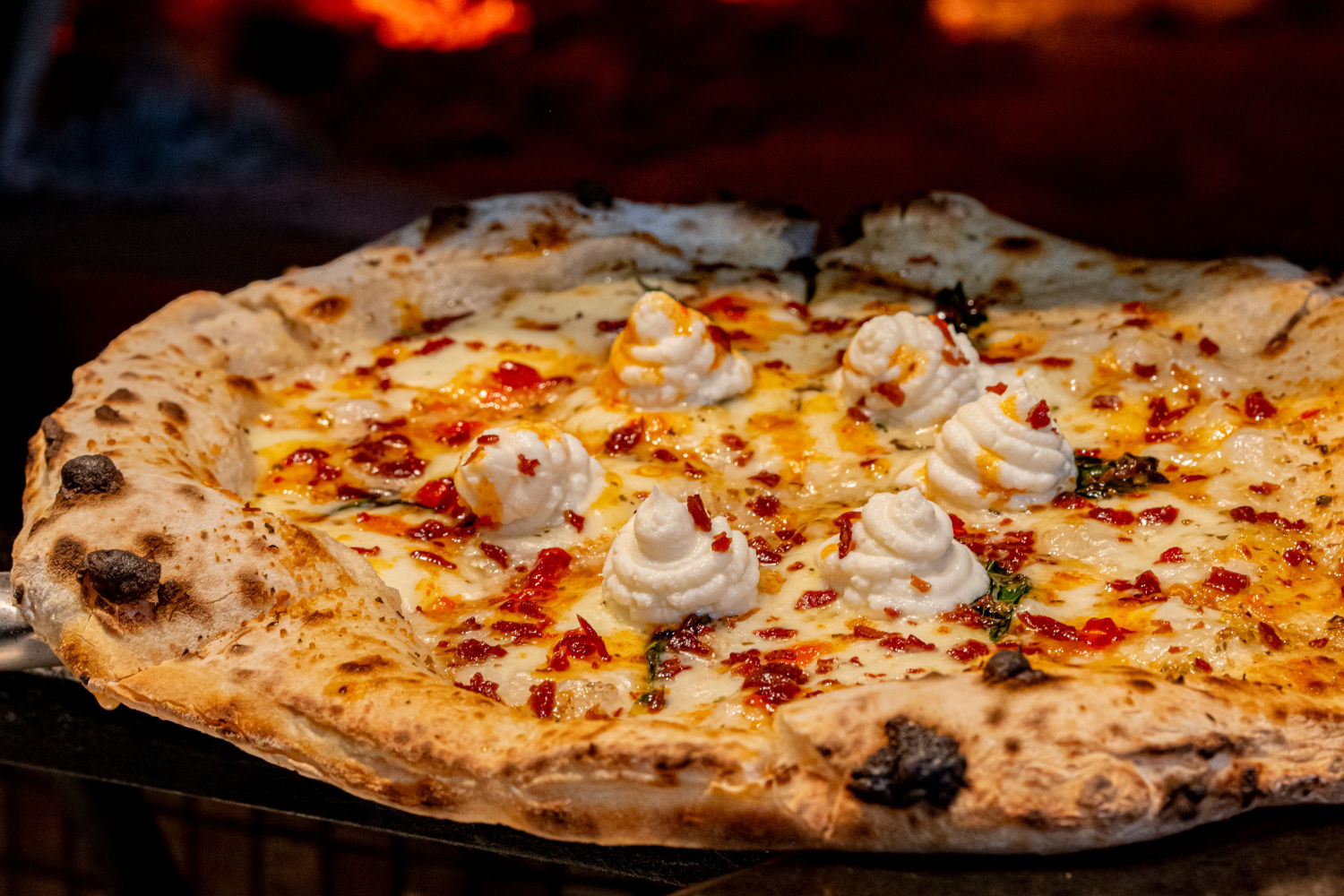
Before baking: The ricotta gets some color on the edges, integrates with the other toppings, and takes on a baked, slightly denser texture. Good for white pizzas where the ricotta is a structural component, or when you want it to meld with mozzarella.
After baking: You get cool, creamy, fresh-tasting dollops against a hot, crispy crust. The contrast is dramatic and really satisfying. Good for when you want the ricotta to stay light and prominent - think of it like a fresh finishing cheese rather than a melted one.
Split approach (best of both): Put a small amount on before baking as part of the base, then add fresh cold dollops immediately after the pizza comes out. You get depth from the baked portion and brightness from the fresh.
White Pizza: The Foundation Recipe
A recipe for white pizza with ricotta cheese is the first place to master the ingredient. No tomato sauce means ricotta has room to be a star, and the flavor relationships are cleaner and easier to understand.
The base: Skip the tomato. Instead, rub the stretched dough with olive oil, then spread a thin layer of garlic - either minced raw garlic (use less than you think), roasted garlic (more mellow and sweet), or garlic oil. This is the foundation.
The cheeses: Low-moisture whole milk mozzarella is your workhorse - it melts evenly and gives you that pull. Your seasoned ricotta goes on in generous dollops over the mozzarella. If you want a bit more sharpness, finish with grated Parmigiano.
Pizza white sauce ricotta variation: If you want something more cohesive than separate cheeses, blend ricotta with a little heavy cream, grated parmesan, minced garlic, salt, and pepper until it reaches a thick, spreadable consistency. Use this as your actual base sauce instead of oil. It sets up beautifully in the oven and gives you a velvety, almost béchamel-like result. This style of pizza white sauce ricotta works especially well in home ovens that do not get as hot as wood-fired ones, because the sauce adds richness that compensates for less crust char.
Finishing touches: Fresh basil after the bake, a drizzle of good olive oil, and a crack of black pepper. Simple.
Hot Honey Ricotta Pizza
This is the combination that converts skeptics.
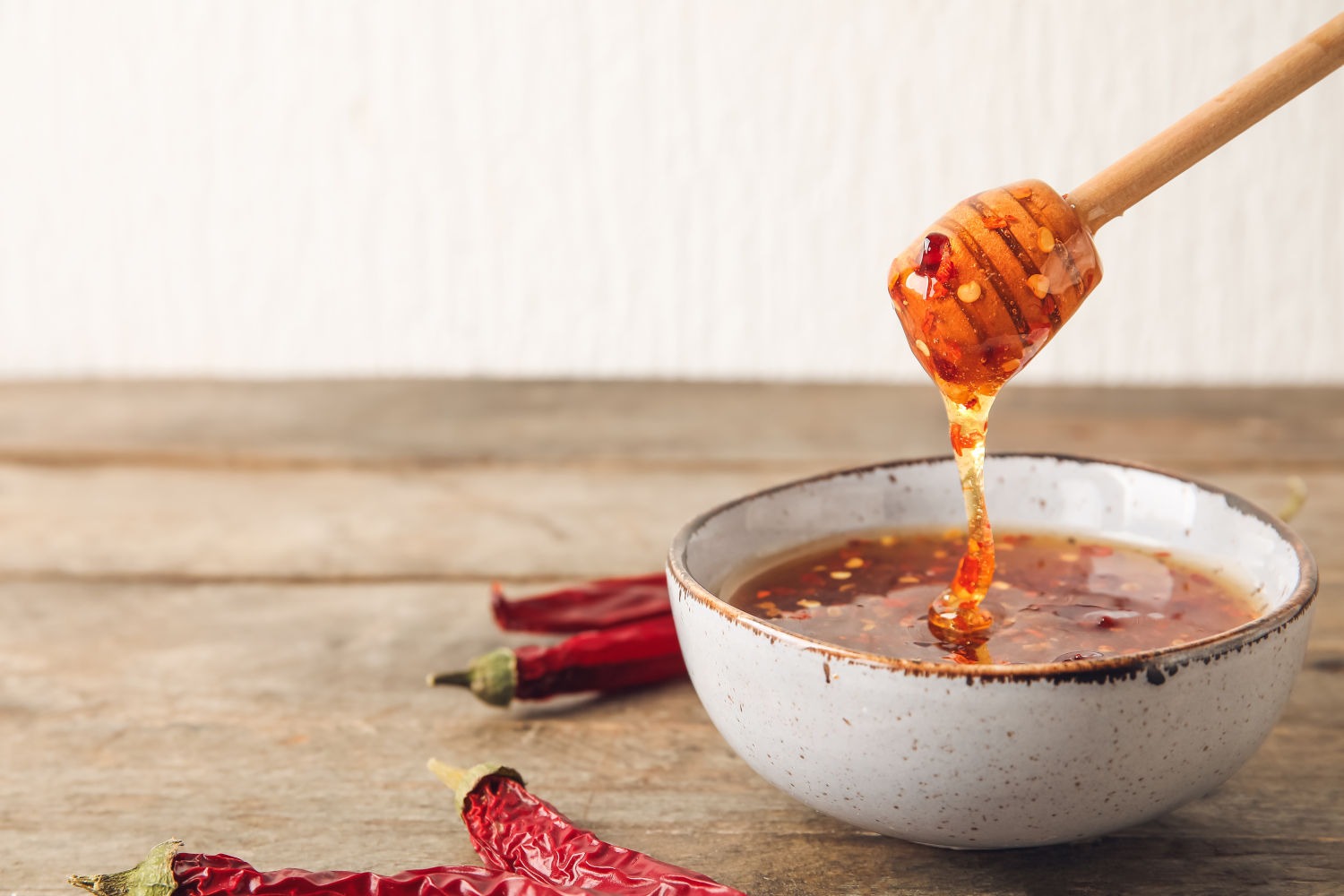
Honey and ricotta have an obvious connection - the sweetness plays right into the mild dairy richness - but the really interesting version adds heat. A hot honey ricotta pizza works because the creaminess of the cheese dials down the chili intensity just enough to let the full flavor come through. You get heat, you get sweet, and the ricotta smooths out the edges.
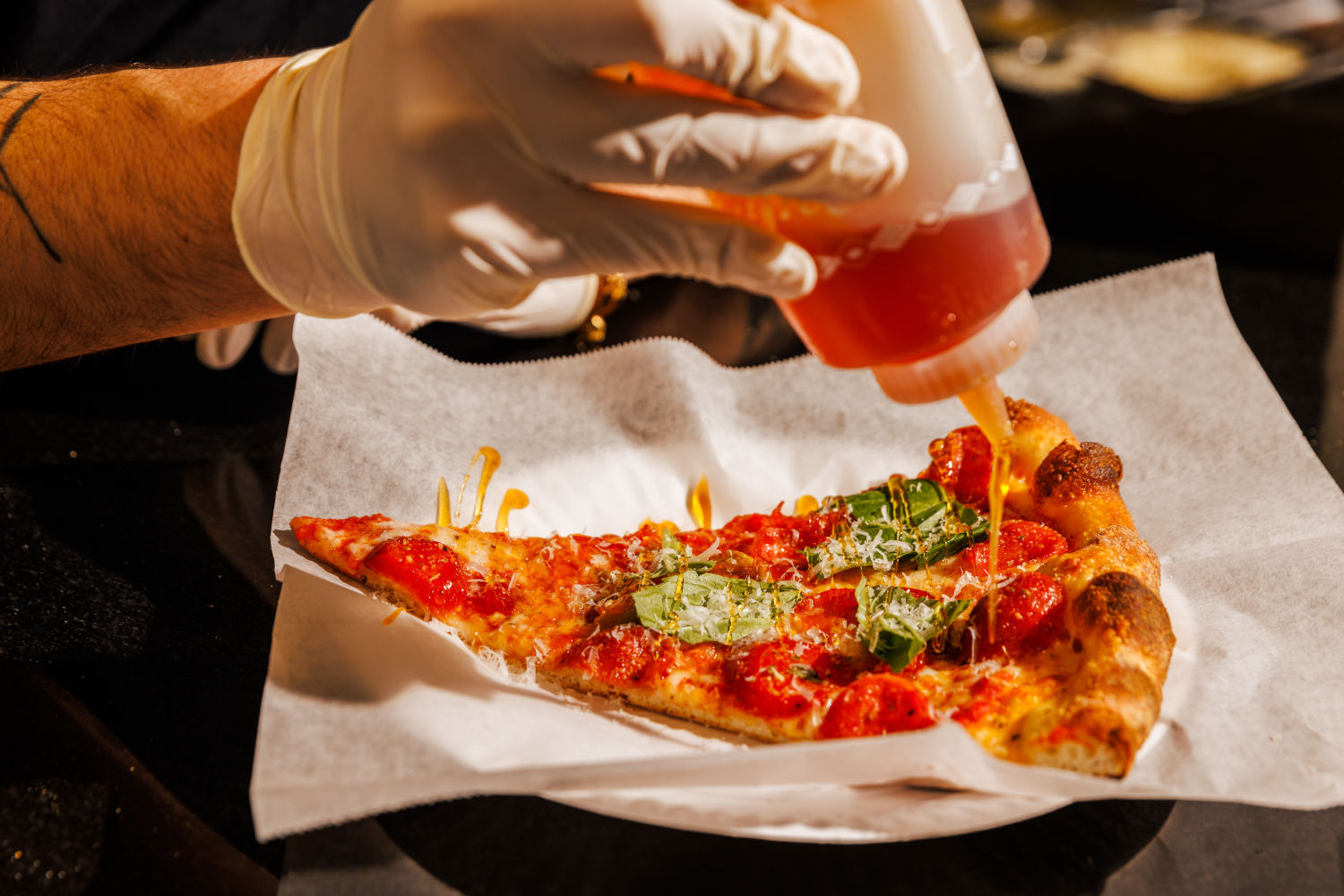
Build it on a white base (garlic oil, mozzarella, ricotta dollops), bake it off, and drizzle hot honey over the whole thing the moment it comes out of the oven. The residual heat thins the honey slightly so it runs into all the right places.
Optionally: a handful of arugula on top right before serving, which adds a peppery, slightly bitter note that works really well against the sweet heat. A few shavings of Parmigiano over everything does not hurt either.
For the honey itself, you can buy commercial hot honey (Mike's Hot Honey is the most widely available), but making your own gives you control over the heat level and the pepper type. Check out the full guide on how to make homemade hot honey and the deeper dive on hot honey pizza.
A standard honey ricotta pizza without the heat is also worth making - especially with fresh figs or thinly sliced pear. That is a completely different register, more delicate and almost dessert-adjacent, but excellent.
Pepperoni and Ricotta Pizza
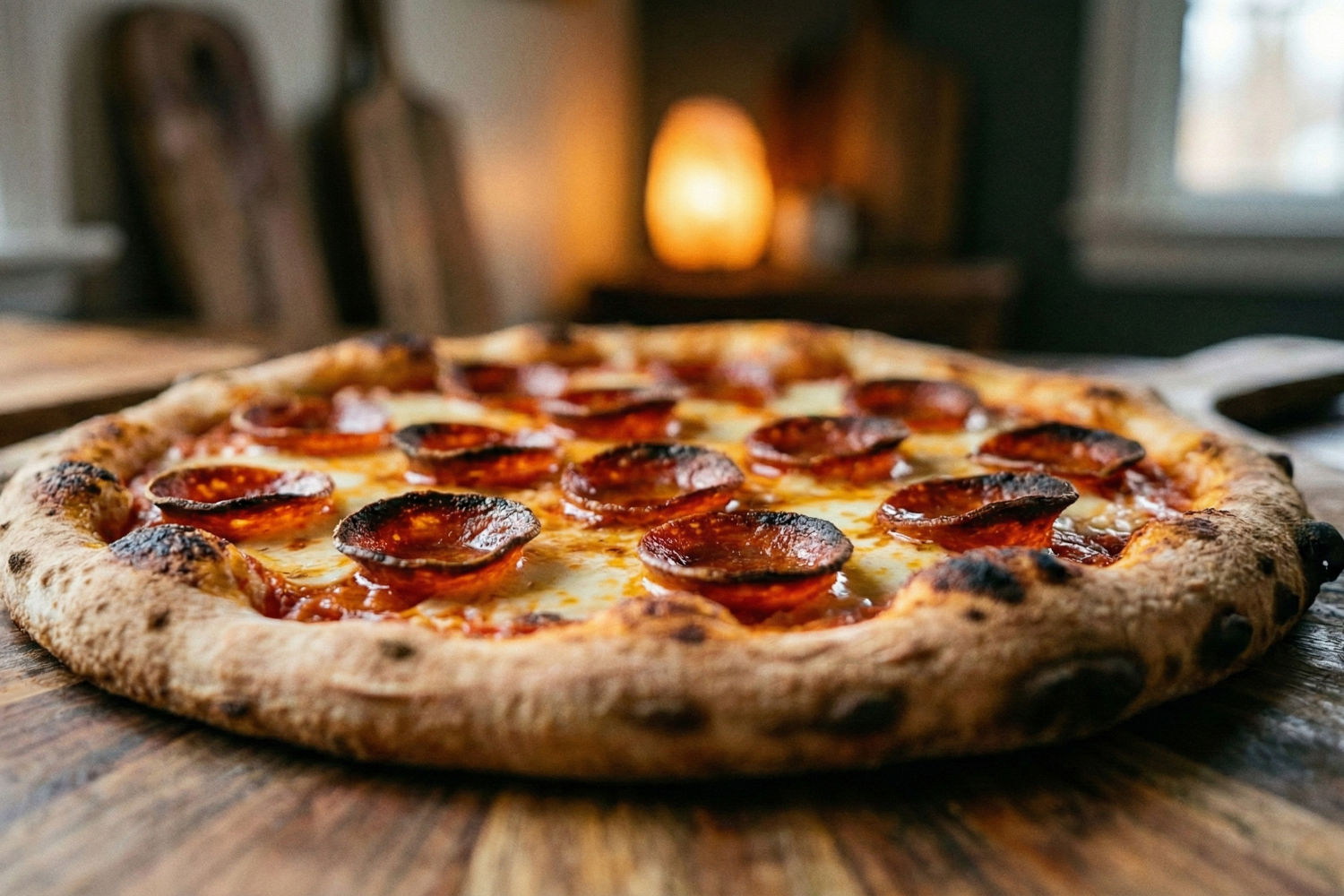
Pepperoni and ricotta pizza is the combination that makes the most sense on paper but still manages to surprise you when it is done right. The sharp, salty, fatty bite of the pepperoni is exactly what ricotta needs to stay interesting. The creaminess of the cheese softens the aggression of the meat without dulling it.
If you have access to cup and char pepperoni (the kind that curls into little grease-filled cups in the oven), use it here. The fat pooling in those cups concentrates the flavor and adds a crispy edge that plays really well against the smooth ricotta. There is a full breakdown of the cup and char difference in the cup and char pepperoni guide.
Build it like this:
- Standard tomato sauce base
- Mozzarella
- Pepperoni distributed evenly
- Ricotta dollops scattered between the pepperoni (not on top of it)
- Bake fully, then optionally add a few fresh cold ricotta dollops after the bake
The post-bake dollops here are worth doing. The cool ricotta against hot, slightly crisped pepperoni is a textural contrast that makes this feel more composed.
Meatball Ricotta Pizza
If you have ever had really good baked ziti or lasagna and wondered why pizza does not feel that satisfying - meatball ricotta pizza is the answer.
This is a heavier, more substantial pie. The flavor profile is pure Italian-American comfort: rich tomato, savory meatball, creamy ricotta, pulled together under melted mozzarella. It works because ricotta already lives in both lasagna and baked ziti, so putting it on pizza with meatballs just feels right.
A few practical notes:
Slice the meatballs thin - about ¼ inch. Thick meatball slices will not heat through evenly in the time it takes the pizza to bake, and you end up with cold centers.
If your meatballs are fully cooked before they go on, you just need them to warm through and pick up a little color. If they are partially cooked, make sure they are in thin enough slices to finish in the oven.
Use a robust tomato sauce here - something cooked down and concentrated, not watery. The meatballs add enough richness that a thin sauce gets lost.
A sprinkle of dried oregano and a little extra Pecorino over the top before baking ties it all together.
Mushroom Ricotta Pizza
Mushroom ricotta pizza is one of those combinations where the ingredients seem quiet but the result is surprisingly complex.
Mushrooms and ricotta both have an earthy, slightly sweet quality, and together they build a flavor that is richer than either one alone. The key step: cook the mushrooms before they go on the pizza. Do not put raw mushrooms directly on the dough. They will release too much steam and wet everything out. Sauté them in butter or olive oil over medium-high heat until they lose their moisture and start to brown. Season them while they cook - salt, pepper, fresh thyme or rosemary if you have it.
Cremini mushrooms are the baseline and always work. Shiitake adds a deeper, meatier quality. If you can find maitake (hen of the woods), it is probably the best mushroom for pizza - it gets incredibly crispy around the edges and has a rich, complex flavor. Mixing two or three varieties is usually better than using just one.
A good mushroom ricotta build:
- Garlic oil base (or very lightly sauced with tomato - both work)
- Fontina or low-moisture mozzarella (fontina melts beautifully and has a nuttiness that complements mushrooms)
- Sautéed mushrooms
- Seasoned ricotta dollops
- Finish with fresh thyme and a drizzle of truffle oil if you want to push it further
The ricotta acts almost like a textural counterpoint here - soft and cool against the crisped mushroom edges.
Pesto and Ricotta Pizza
Pesto and ricotta pizza is a great warm-weather pie. It is bright, herby, and a little lighter than the cream-based or tomato-based versions.
You can use pesto as the base sauce and build from there, or you can treat it as a finishing element. Both are good.
Pesto as base: Spread it thinly on the dough, add mozzarella, bake, then add ricotta dollops after. The heat of the oven can make pesto turn a bit dark and lose some of its brightness, so this is one case where keeping the ricotta as a post-bake addition makes sense.
Pesto as finish: Build a white or light tomato base pizza, bake it, then add ricotta dollops and small spoonfuls of fresh pesto right before serving. This keeps all that basil and garlic flavor vibrant.
Cherry tomatoes work well here - either roasted on the pizza or halved and added fresh after the bake. A few toasted pine nuts scattered over the top add crunch and echo the pesto.
Spinach and Ricotta Pizza
If you have ever had a spinach and ricotta calzone, you already know this combination works. It translates directly to pizza.
The spinach needs to be cooked down first. Fresh spinach has way too much moisture to go directly on raw dough. Sauté it with olive oil and garlic until wilted, then squeeze out as much water as you can in a clean towel. Seriously - squeeze it hard. What comes out will surprise you.
Season the cooked spinach well. It needs more salt than you think.
This is a natural fit for a white base - garlic oil, mozzarella, the spinach scattered across, and ricotta in dollops. A grating of nutmeg over the ricotta before it goes in the oven is a small detail that makes a real difference. Spinach, ricotta, and nutmeg is a classic combination for a reason.
Prosciutto and Ricotta Pizza
This one is more delicate. Prosciutto is usually best added after the bake, right before serving - high heat can make it tough and overly salty. That said, torn prosciutto baked until crispy has its place too (it's great on my Fancy Hawaiian build). With ricotta, though, I prefer the silky uncooked version draped over the top.
Build a white pizza base, add mozzarella, bake it, then drape thin prosciutto slices over the hot pizza and add cold ricotta dollops. The contrast between the silky cured meat, the hot crispy crust, and the cool creamy cheese is the whole point.
A handful of arugula, some shaved Parmigiano, and a small drizzle of olive oil over the top and this is one of the better pizzas you can make at home.
Getting the Dough Right
None of these combinations hold up on a bad crust. Ricotta adds weight and moisture, which means your dough needs to have real structure - good gluten development and ideally some fermentation time behind it. If you are still dialing in your recipe, the PizzaLogic dough calculator takes the guesswork out of hydration, yeast amounts, and fermentation timing across different dough styles.
If you have not tried cold fermentation, it is worth the extra planning. A 48 to 72-hour cold ferment produces a crust with noticeably better flavor and a more open, airy crumb that can actually stand up to heavier toppings without getting dense. The full rundown is in How to Cold Ferment Pizza Dough.
For heavily topped ricotta builds - especially the meatball or pepperoni versions - consider a sturdier style like Detroit or Sicilian. Pan styles handle the extra weight and moisture better than a thin hand-stretched round, and the thicker crumb soaks up less liquid. If you are set on a thinner crust, make sure your dough has enough structure to carry the load.
Ricotta-heavy pies also tend to be stickier to handle and launch. If your dough is already on the tacky side, adding a heavier topping load makes launching off a peel harder. Why Is My Pizza Dough So Sticky? covers how to troubleshoot this.
One more tip specific to ricotta-heavy builds: use a pizza steel or stone and make sure it is fully preheated. A properly preheated steel gives you immediate bottom heat that sets the crust before all that topping moisture has a chance to soak in. If you are working with a cooler oven or a cold baking surface, a soggy bottom is almost guaranteed.
Quick Reference: Ricotta Pizza Combinations
| Build | Base | Works Best With | Add Ricotta |
|---|---|---|---|
| Classic white | Garlic oil | Mozzarella, basil | Before + after |
| Hot honey | Garlic oil | Mozzarella, arugula | Before, honey after |
| Pepperoni | Tomato | Mozzarella, cup & char pepperoni | Dollops before + after |
| Meatball | Tomato | Mozzarella, Pecorino | Before |
| Mushroom | Garlic oil or light tomato | Fontina, thyme | Before + after |
| Pesto | None or pesto | Mozzarella, cherry tomato | After |
| Spinach | Garlic oil | Mozzarella, nutmeg | Before |
| Prosciutto | Garlic oil | Mozzarella, arugula, Parmigiano | After (cold) |
Ricotta is one of those ingredients that rewards a small amount of extra effort. Drain it, season it well, think about when in the bake it should go on, and pair it with something that gives it contrast - heat, acid, or something earthy and savory. Once you get comfortable with it, it will show up on your pizzas a lot more often.